Anemo Engineering recently supplied Turn Grip Screw Mounted Ergonomic Wing parts to the ITER project in southern France. These Turngrip components are non-magnetic, a property that is especially important in an environment where extremely powerful magnetic fields are used to control plasma inside a tokamak. To understand why even a small component can matter in such a large scientific project, it is useful to first look at the difference between nuclear fission and nuclear fusion.

It is no mystery that nuclear energy has generated a large share of our total energy over the past decades. Since the 1950s, we have been using nuclear installations on a large scale to generate electricity. The primary mechanism that makes this possible is called nuclear fission.
This process consists of bombarding an atom with a heavy nucleus, such as uranium-235, with a neutron. This heavy atomic nucleus then splits into lighter atomic nuclei, such as barium and krypton, also known as fission products. During this process, an enormous amount of energy is released in the form of heat. In addition, new neutrons are released, which can in turn split other uranium-235 atoms. In this way, a chain reaction is created, which is kept under control inside a nuclear reactor and produces a huge amount of heat.
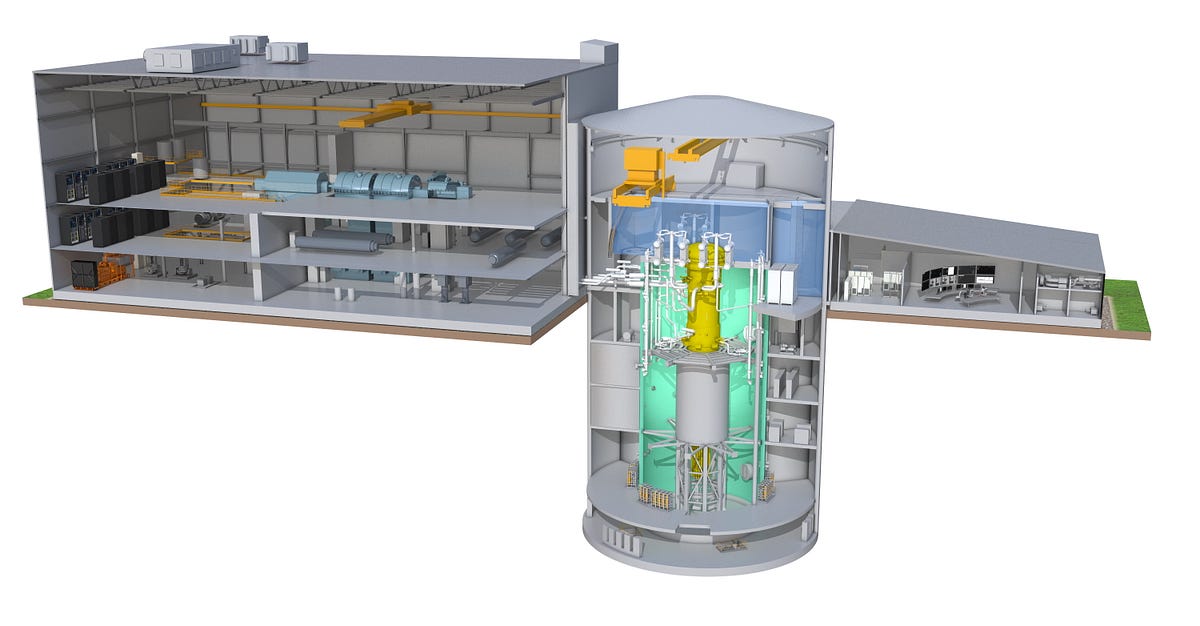
This heat warms the water in the primary circuit around the reactor to more than 320°C. Through a heat exchanger, water in the secondary circuit is then converted into steam. This steam drives large turbines, powers an alternator and generates electricity.
The foundation for nuclear energy was laid at the end of the 1930s. In the 1950s, the first nuclear power plants became operational. Since then, nuclear energy has grown enormously.
Nuclear fission, however, is not considered a renewable energy source. This is because it requires uranium, a finite raw material. In addition, it leaves behind nuclear waste for which there is still no fully sustainable solution.
Nuclear fusion is, in a certain sense, the opposite of nuclear fission. In nuclear fusion, multiple light atomic nuclei merge together to form a new, heavier atomic nucleus. Stars are essentially large nuclear fusion reactors. To achieve nuclear fusion, extreme conditions are required: very high temperatures, and a plasma state in which electrons are no longer tightly bound to the atomic nuclei. This allows the particles to come close enough together for their electrical repulsion to be overcome, so that they can fuse into a new atomic nucleus.
In fusion research, this usually means temperatures of around 100,000,000°C or more. The enormous mass of the sun creates the required pressure and heat through gravity, allowing a natural cycle of nuclear fusion to take place. In a reactor on Earth, this has to be recreated artificially, which makes fusion one of the most difficult engineering challenges in the world.
During nuclear fusion, the total number of protons and neutrons remains conserved. The mass of the newly formed nucleus, however, can be smaller than the sum of the masses of the original nuclei. This missing mass is converted into a huge amount of energy, in the form of heat and radiation. This is where the great potential of nuclear fusion lies: a possible source of clean, powerful and more sustainable energy.
This is the scientific world in which ITER operates, and also the environment for which Anemo Engineering recently supplied non-magnetic Turn Grip components. In fusion technology, the main machines may be enormous, but the reliability of the smaller parts around them remains just as important.
In southern France, 35 different nations are working together, including China, the European Union, India, Korea, Japan, the United States and Russia, to build the largest experimental nuclear fusion reactor in the world. This project is known as ITER and has as its main goal to lead the way in nuclear fusion research, ultimately opening the path towards an operational, commercial nuclear fusion reactor.
According to the new planning, the ITER project in France aims to begin its first research activities and plasma experiments around 2034. ITER is not designed as a commercial electricity plant, but as an experimental research reactor that must demonstrate whether controlled nuclear fusion is technically achievable on a large scale.
Fusion reactors already exist in several forms, of which the tokamak is one of the best-known and most widely studied designs. A tokamak is a donut-shaped chamber, surrounded by powerful magnets. Inside the tokamak, two elements are usually used: deuterium and tritium, a heavy and very heavy form of hydrogen. These elements are heated to extreme temperatures until they enter a plasma state and move through the tokamak at very high speed.
The magnets ensure that this plasma does not touch the wall of the tokamak, preventing damage and avoiding the interruption of the fusion process. This magnetic control is exactly why non-magnetic components are so important in and around such systems. Any unnecessary magnetic interference must be avoided as much as possible.
A future commercial tokamak would need to go through fusion cycles and capture the energy released during that process. In a commercial reactor, that heat could then be converted into electricity in a similar way to a classical nuclear power plant: through a heat exchanger, turbine and alternator. ITER itself, however, is a research machine. Its purpose is to prove the concept and test the technology needed for future fusion power plants.
Several reactor designs are being studied for nuclear fusion. They mainly differ in how they use magnetic fields to hold, shape and control the plasma.
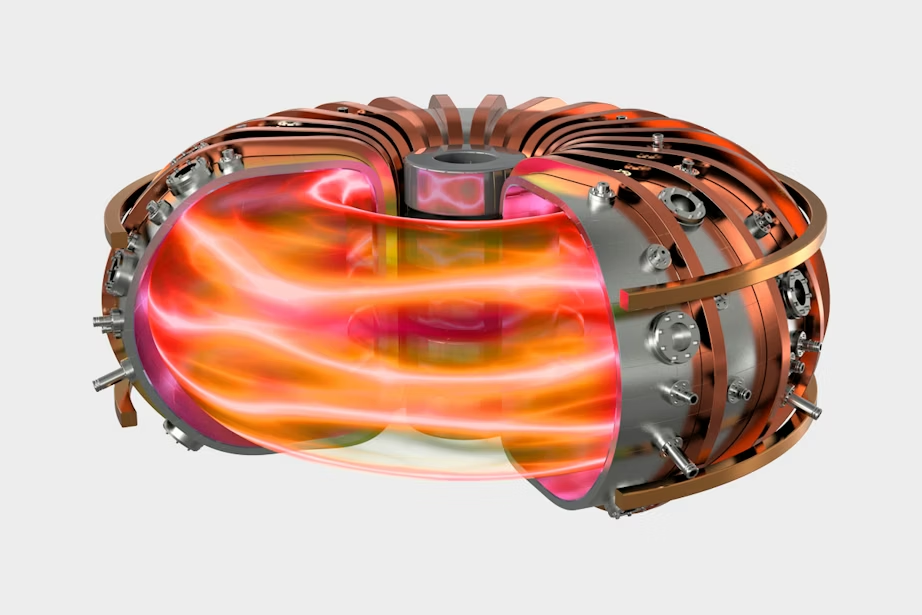
The tokamak is a donut-shaped reactor in which plasma is confined by strong magnetic fields. Part of this field is generated by magnets around the reactor, and another part by electrical current in the plasma itself. This keeps the hot plasma away from the reactor wall.
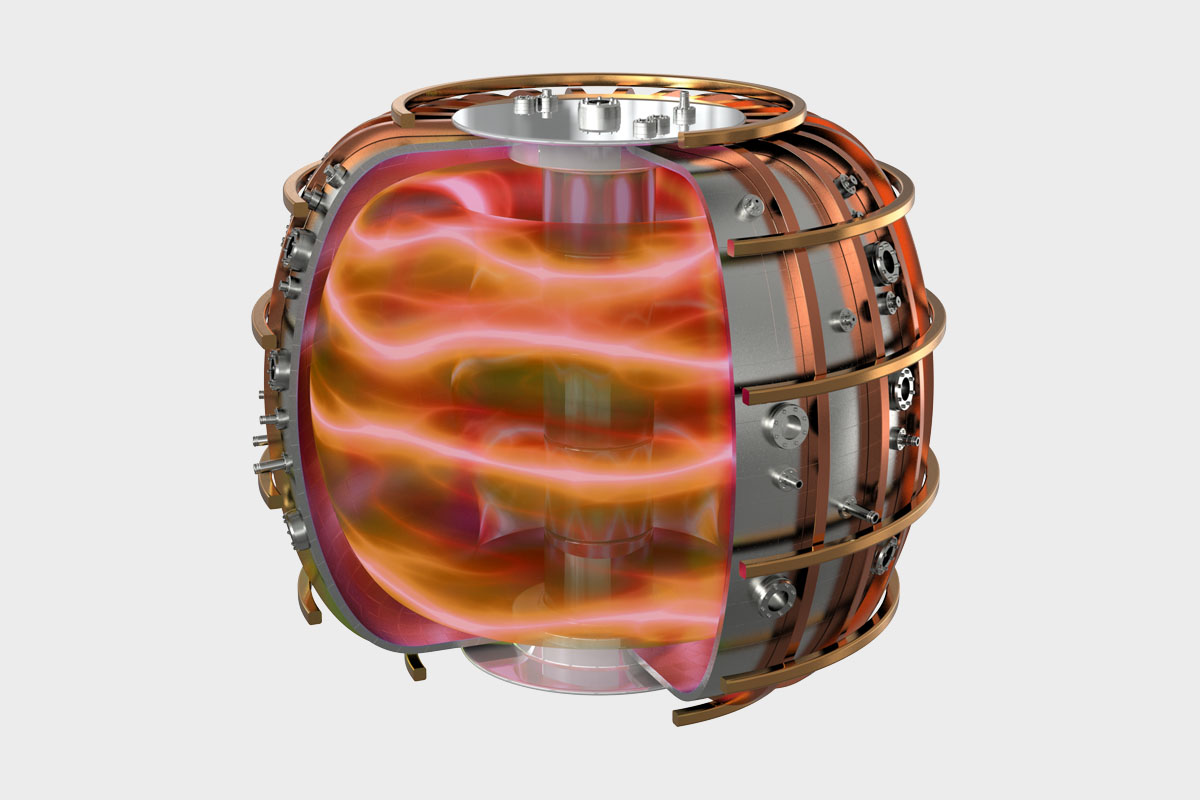
The spherical tokamak works like a regular tokamak, but is more compact and more rounded in shape. This geometry can help confine the plasma more efficiently, although it leaves less space for the central magnet coils.
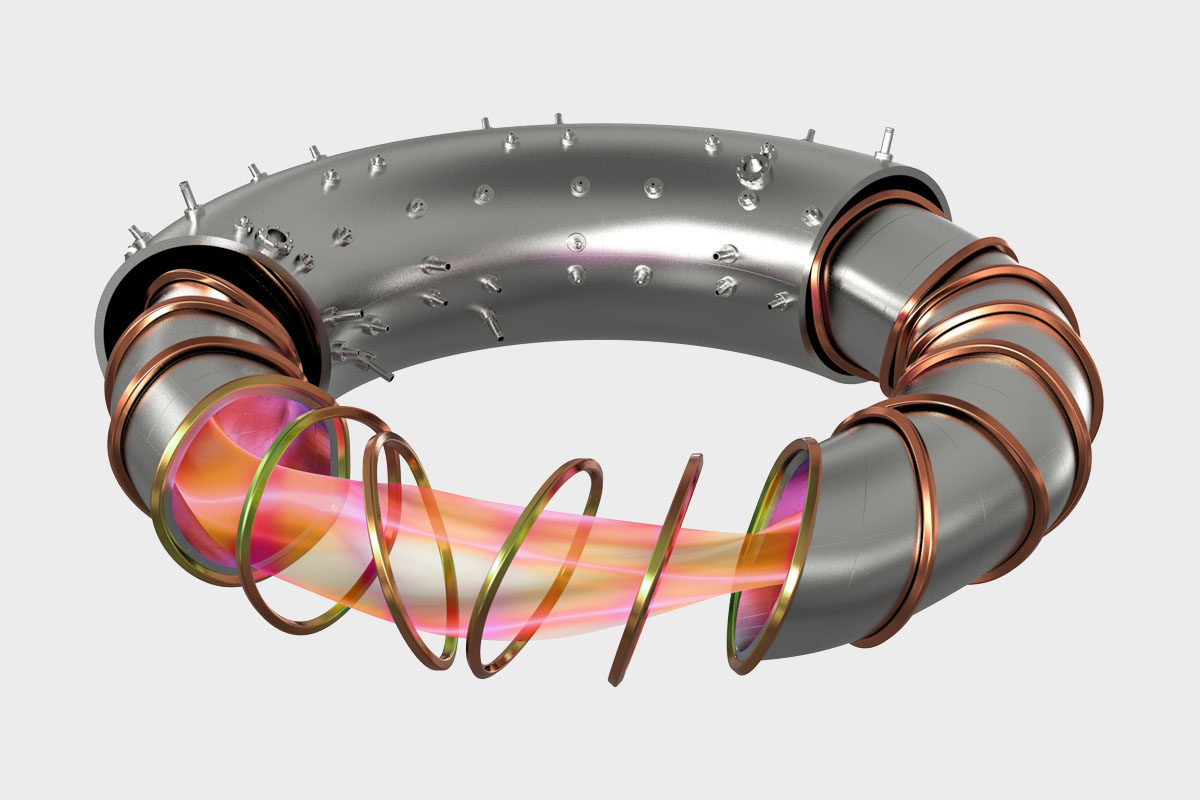
The stellarator uses complex twisted magnetic coils around the reactor. These coils create most of the magnetic field themselves, reducing the need for a strong electrical current inside the plasma. This makes the stellarator more suitable for continuous operation.
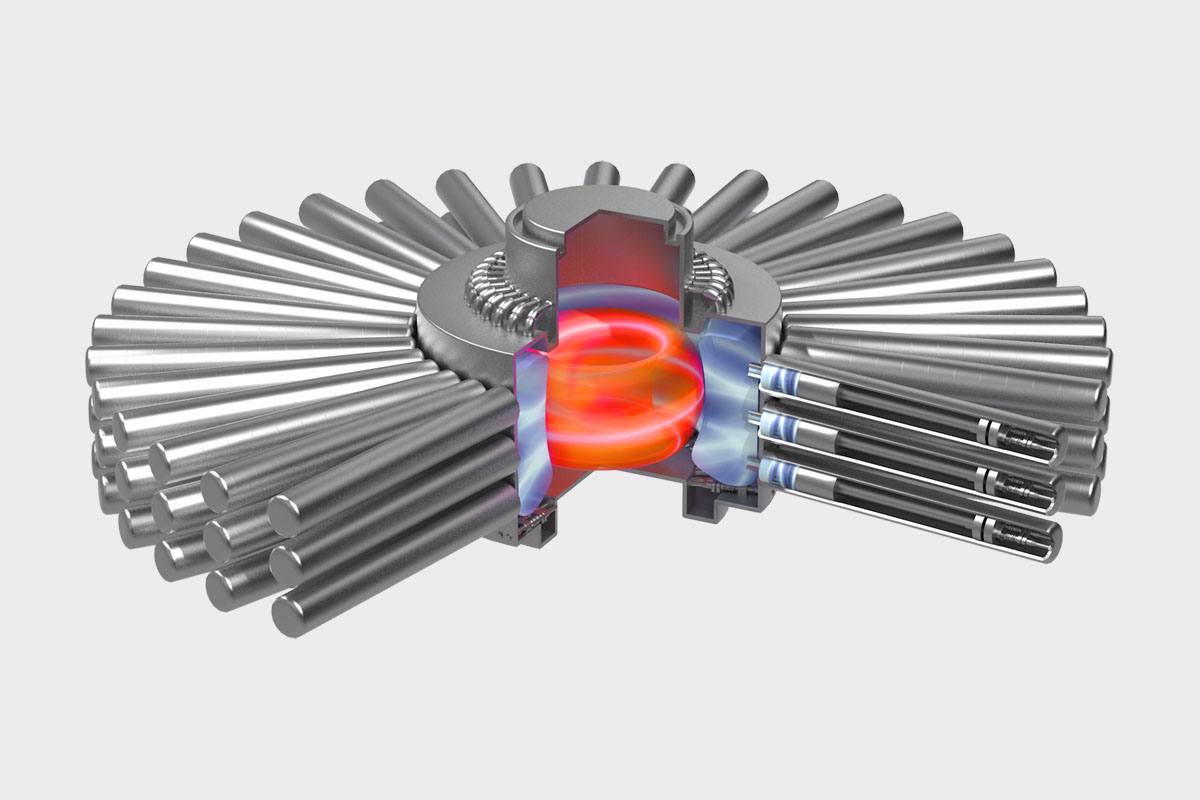
A piston fusion reactor compresses deuterium-tritium fuel with a fast piston until fusion occurs in short pulses. It could be simpler than magnetic fusion, but surviving the extreme heat and neutron radiation is a major challenge.
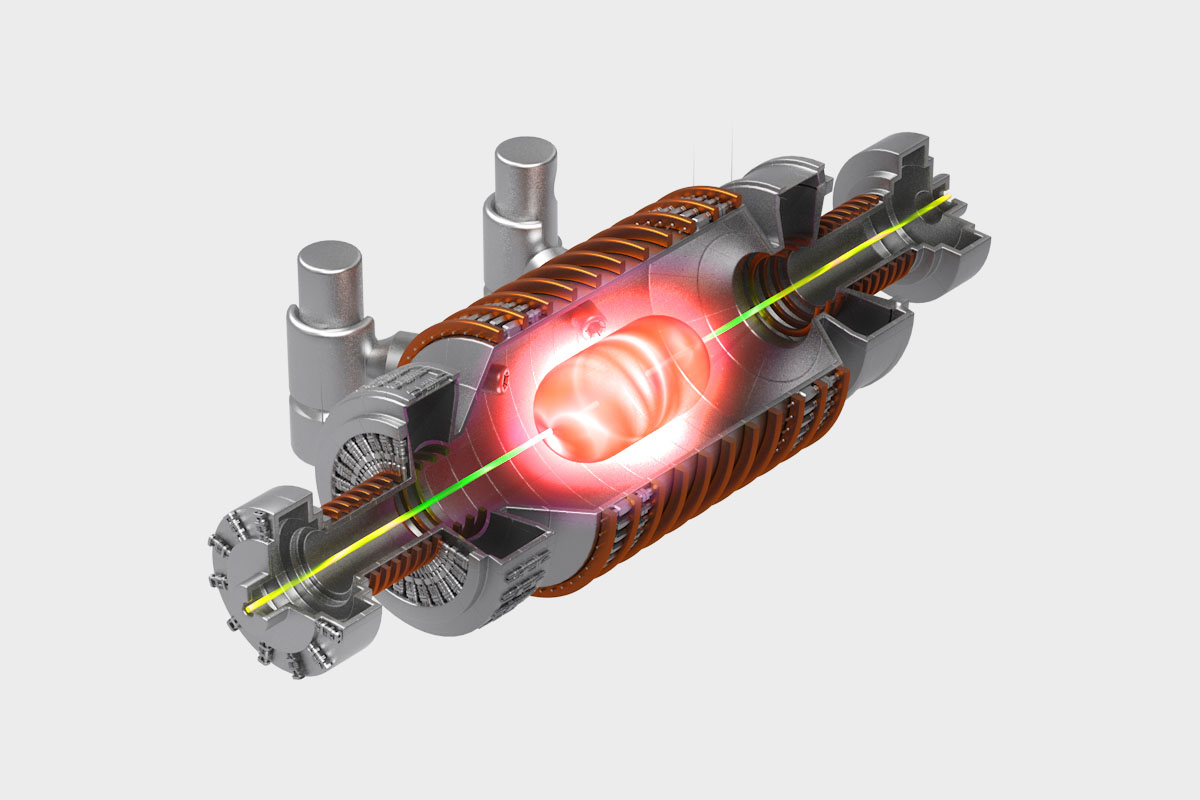
A linear reactor is not shaped like a donut, but like a long straight chamber. The magnetic field mainly runs along the length of the reactor and tries to keep the plasma away from the walls. The main difficulty is preventing the plasma from escaping at the ends.
Recently, Anemo Engineering supplied Turn Grip Screw Mounted Ergonomic Wing parts to the ITER project in southern France. These parts are special because they are non-magnetic, which is very important in the environment of a tokamak.
In ITER, the plasma is controlled by extremely strong magnetic fields. These fields must keep the plasma in place and prevent it from touching the tokamak wall. For that reason, even smaller mechanical components should not create unwanted magnetic interference. In such an installation, every detail can have an influence on the reliability and control of the system.

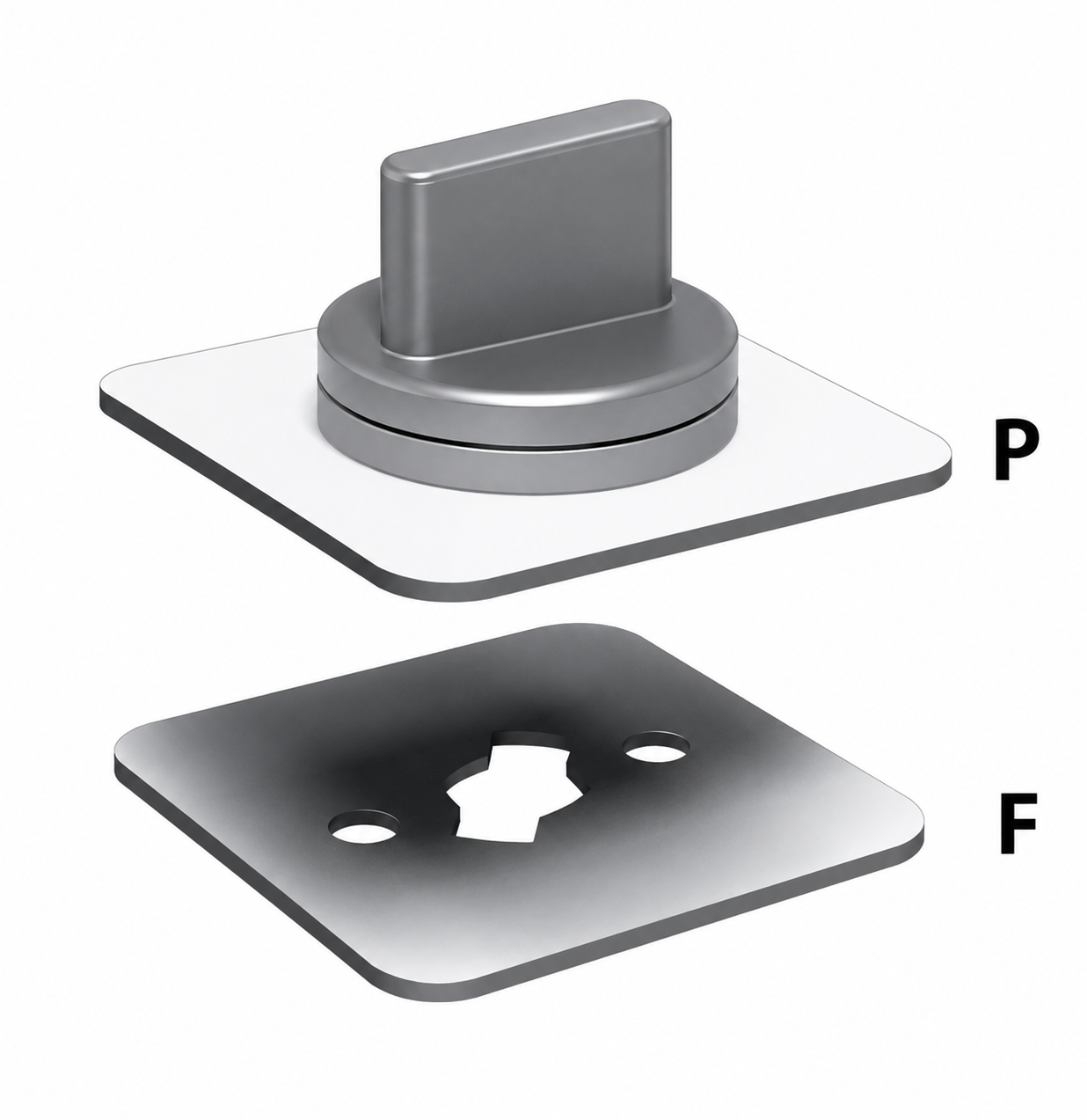
The Turn Grip parts were selected because of these promising properties. They show how even smaller mechanical components can play a role in one of the most advanced fusion research projects in the world. For Anemo Engineering, this is a strong example of how specialised Turngrips can be relevant in demanding technical environments where material choice, reliability and non-magnetic behaviour are essential.
The video below gives more context about the used Turngrip wing.